Tynnelsö Slott
Södermanland · Sverige · Castle
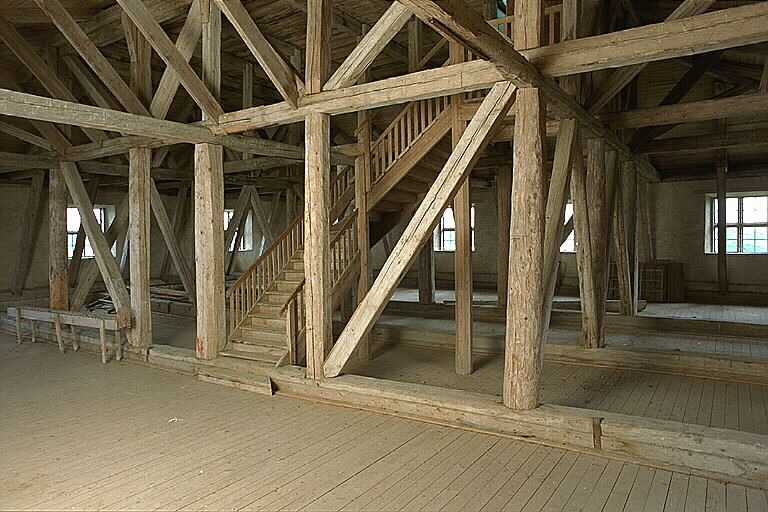
Et historisk sted for biskoper og konger. Midt i Mälarens rolige vann utenfor Strängnäs ligger Tynnelsö slott, et av Sveriges mest avsidesliggende og mystiske slott.
Tynnelsö Castle — a place for bishops and kings
In the calm waters of Lake Mälaren outside Strängnäs lies Tynnelsö Castle, one of Sweden's most remote and mysterious castles. Now standing empty and closed to the public, it has a history full of royalty, religious figures and dramatic events. Despite its long abandonment the future may be brighter than it has been for some time — the Swedish National Property Board hopes the castle can one day open again.
A fortified bishop's residence
Tynnelsö Castle was originally built during the 1300s, though parts of the structure reach back to the end of the 1200s. In that period it served as a fortified bishop's residence, positioned so that one could travel easily by boat or sledge to the most important places on Mälaren: Stockholm, Strängnäs and Uppsala. When Denmark gained control of Sweden in the 1500s, Tynnelsö became a Danish stronghold. It was not freed until Gustav Vasa's peasant army attacked the island in 1522.
Under Vasa, Tynnelsö became a royal estate, and Gustav himself visited at least once or twice a year. Fish was salted and fruit grown here, and the place took on particular significance when Gustav Vasa's second wife, Queen Margareta, died at the castle in 1551.
From home to romantic monument
After the Vasa era the castle went through several renovations. It was modernised in the 1600s with new fireplaces and chimneys, but finally fell into obscurity after the last resident, the "Polish countess" Anna Woynarowska, left in the 1700s. Since then Tynnelsö has been regarded more as a romantic monument than as a home. For a period the grounds held an impressive orchard of around 900 trees, but like the building itself the garden has decayed over time.
In 1869 the castle was donated to the Royal Swedish Academy of Letters, History and Antiquities, and it has since passed through a series of owners who tried in various ways to preserve it. Today the National Property Board manages Tynnelsö, and has recently begun renovating the roof and windows to protect the building from further decay.
A hope of access
Its unusual position on a remote island has long made the castle difficult for the public to reach. Michael Werner, estate manager at the National Property Board, hopes this may change. There are visions of making the castle accessible both physically and digitally, though no concrete plans exist yet. For now Tynnelsö remains a secluded piece of heritage — hard to reach, and all the more fascinating a window into Sweden's past.
A window into history
As the renovations continue, one can only hope for the chance to walk one day through its empty halls, where both Gustav Vasa and Queen Margareta once left their mark. Until then we can only guess at the stories hidden in the walls, and remember the thousands of fruit trees that once grew on its grounds.
Tynnelsö is more than a ruin. It is a preserved piece of history, a reminder of the period in which Sweden was formed — and perhaps, one day, we will get another glimpse of its secrets.
FAQ
Hvor ligger Tynnelsö Slott?
Tynnelsö Slott ligger i Södermanland, Sverige.
Opplysningene bygger på lokal folketro og vitneskildringer.
Image: Svenska Spökkartan (Facebook)