Garpenberg Castle and the Lady Who Refuses to Leave
Dalarna · Sweden · Manor
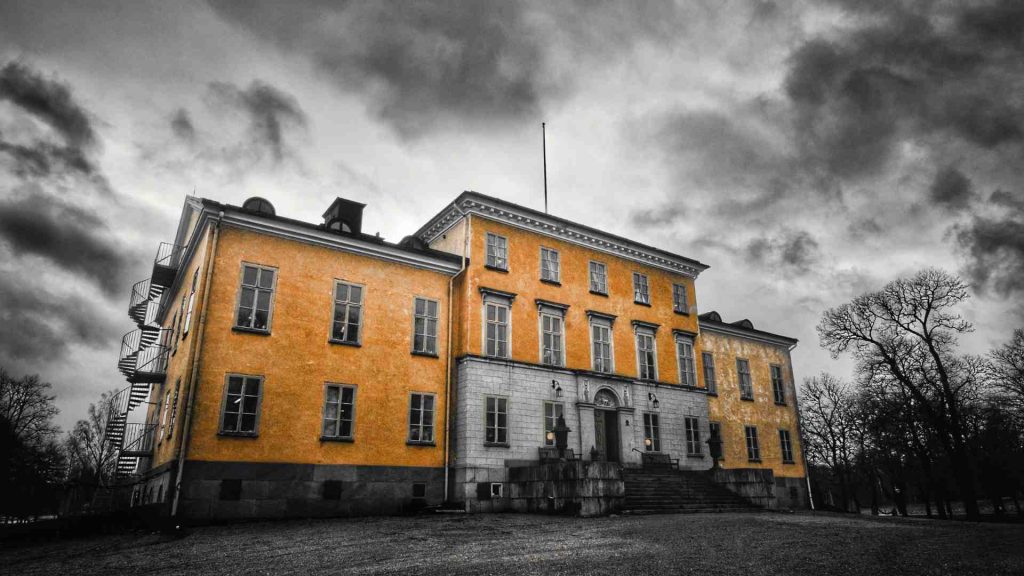
When you step into Garpenberg Castle in the heart of Dalarna, it is hard not to feel the wingbeats of history. The castle, with roots from the 1500s, is surrounded by mystery, memories and — if you dare to believe the stories — a few ghosts as well
Garpenberg Castle and the lady who refuses to leave
Stepping into Garpenberg Castle in the heart of Dalarna, it is hard not to feel the weight of history. With roots in the 1500s, the castle is surrounded by mystery, memory and — if you dare believe the stories — the occasional ghost. Grand halls sit alongside impressive botanical gardens, and an eerie atmosphere that draws history lovers and the adventurous alike.
Hauntings at the castle
Garpenberg Castle is said to be full of spirits, of both people and animals. The best known is the old lady of the house, Christina, who according to legend never quite released her hold on the place. She has been heard sighing with longing for the life and movement of the city. Figures and unexplained sounds have also been reported in the elegant corridors and among the castle's 33 rooms.
It is not only spirits that set the tone. An authentic skull, preserved from an unknown period, adds to the uncanny atmosphere — one reason the castle has become a popular destination for ghost tours and curious visitors.
From royal estate to hotel
Garpenberg's history is as dramatic as its reputed ghosts. The site began as a royal estate in the time of Gustav Vasa in the 1500s, when the Garpenberg ironworks was also founded. The area held strategic importance thanks to its proximity to the Garpenberg mine and to Hedemora, one of Sweden's oldest trading towns.
The ironworks proprietor Salomon von Stockenström later raised the building we now call Garpenberg Castle, engaging the distinguished architect Carl Christoffer Gjörwell. The inspiration from French château architecture is clear, and the new main building — completed in 1801 — quickly earned the nickname of northern Sweden's only true castle. The original royal estate had been destroyed by fire, but left behind a slag-stone vault in the cellar, a reminder of the site's earlier life.
A place for science and commerce
Through the years Garpenberg has been a centre for both economic and scientific development. It was here that the botanist Carl von Linné found the mineral wealth that contributed to Sweden's success in mining. In the 1900s the castle was used for forestry education, with the surrounding park serving as a living laboratory holding trees from different climate zones.
After the ironworks went bankrupt in 1910, the castle was used by the Royal School of Forestry before passing into private ownership. Today Garpenberg Castle stands as a living part of Swedish history, where every stone carries stories of past grandeur and mystery.
About Garpenberg
Garpenberg is a village in Hedemora municipality in Dalarna, known for its connection to mining and the rise of Swedish industry. The mine is mentioned in writing as early as the 1300s, and the area became an important centre for extracting iron, copper and lead. The village is surrounded by beautiful forests and several lakes, creating an idyllic setting. Garpenberg church, dating from the 1400s, is another reminder of the district's long history. For all its small size, Garpenberg carries a rich culture and a distinctive heritage.
FAQ
Where is Garpenberg Castle and the Lady Who Refuses to Leave located?
Garpenberg Castle and the Lady Who Refuses to Leave is in Dalarna, Sweden.
More haunted places in Dalarna
- Ludvikas avrättningsplats Dalarna · Execution site
- Avrättningsplatsen i Nås Dalarna · Execution site
- Avrättningsplatsen i Garpenberg Dalarna · Execution site
- Äppelbos avrättningsplats Dalarna · Execution site
- Leksands avrättningsplats Dalarna · Execution site
- Husbys ödekyrkogård Dalarna · Abandoned cemetery
- Ghost Hotel Gasten (Liseberg) Västra Götaland · Amusement park
- The Dog That Leapt into the Grave, Locknevi Småland · Cemetery
Accounts are drawn from local folklore and visitor reports.
Image: Matti Hietasaari