Katthamra Gård — Heksens Hus i Katthammarsvik
Sverige · Manor
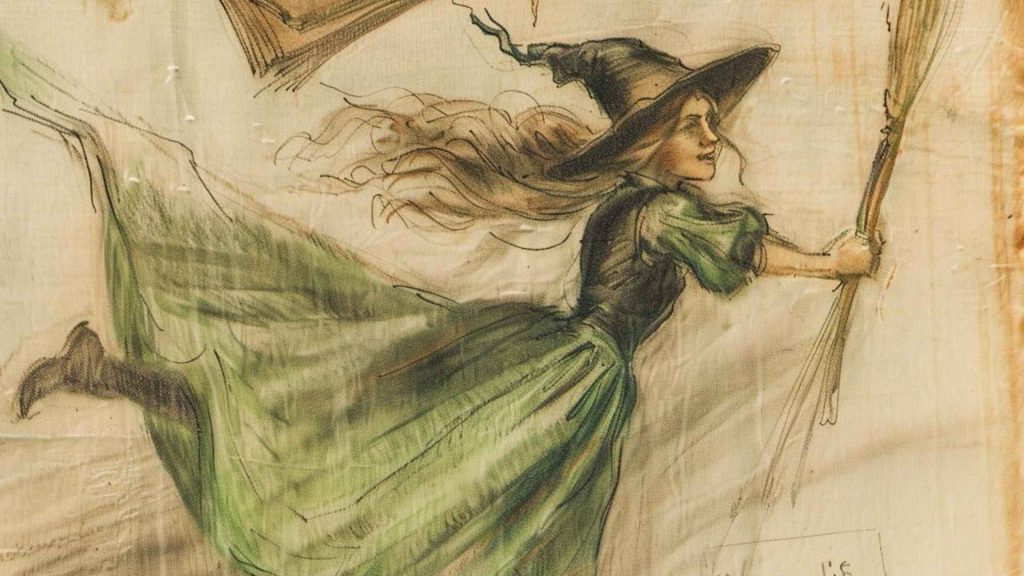
På Gotlands østkyst, i Katthammarsvik, ligger Katthamra Gård, en historisk herregård med rødder fra 1600-tallet. Men ud over sin historiske betydning bærer gården på en mørk fortælling, der har sat sit præg på stedet.
Katthamra Manor — the witch's house on Gotland
On the eastern coast of Gotland, in Katthammarsvik, stands Katthamra Manor, a historic house with roots in the 1600s. Beyond its historical significance the estate carries a dark story that has shaped the place. It is said to be haunted by a woman executed for witchcraft at the end of the 1600s.
The witch Drake and the execution of 1697
According to local tradition a woman named Drake lived at Katthamra Manor in the late 1600s. She was accused of witchcraft — a grave charge at a time when witch trials still spread fear through Sweden. Among the alleged crimes she was charged with were sorcery, eating children, and holding a forbidden pact with the Devil.
In 1697 Drake was sentenced to death and executed by burning in Visby. Her tragic fate is one reason the estate came to be called the Witch's House. But it is the accounts of her spirit never quite leaving the place that have truly endured through the centuries.
Hauntings and strange events
Drake is said to have returned to Katthamra after her death, and her presence is described in various ways. Many who have visited the estate report unexplained events: the sound of steps in empty rooms, doors opening and closing by themselves, and cold gusts sweeping through the house with no natural explanation.
The old smithy on the grounds, now overgrown with ivy, is said to be particularly associated with the witch's presence. This is where she is claimed to have lived before her arrest. Visitors who have ventured inside describe an oppressive atmosphere and a cold that is hard to account for.
The history of Katthamra Manor
Beyond the legend of Drake, Katthamra has a rich and documented history. In 1652 the estate was bought by Peder Fleming, commandant of Visborg Castle, and during the 1680s the main building was raised by the surveyor Evert Hoffman. Later, in the 1800s, Axel Hägg carried out substantial rebuilding, including an extension of the main building and extensive interior work.
During the 1600s and 1700s the estate formed part of Gotland's flourishing export of limestone and timber. The nearby harbour at Katthammarsvik was an important hub for that trade, and the estate's economy rested partly on it.
A place with two faces
Katthamra Manor is privately owned today and used both as a residence and for rental. Many visitors are drawn by the handsome manor house and its well-preserved history, but it is the darker stories of the witch Drake that leave the strongest impression.
Whether you come for the history or for the supernatural, Katthamra offers an unusual window into Gotland's past. Here, accounts of trade and manor life meet legends of witches and ghosts — a combination that makes the place both compelling and memorable.
Oplysningerne bygger på lokal folketro og vidneberetninger.
Image: spokkartan.se